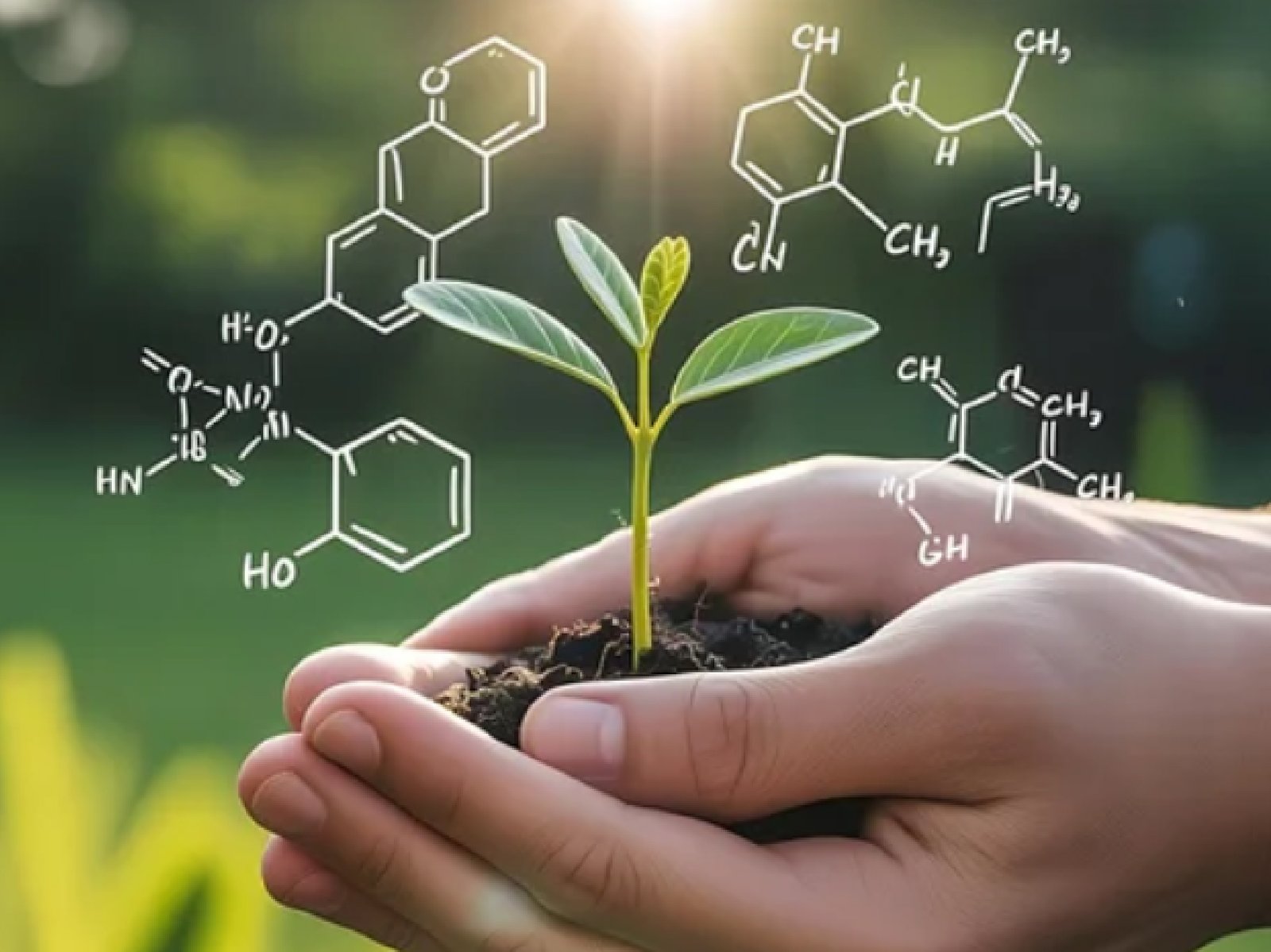
Chemistry Experience

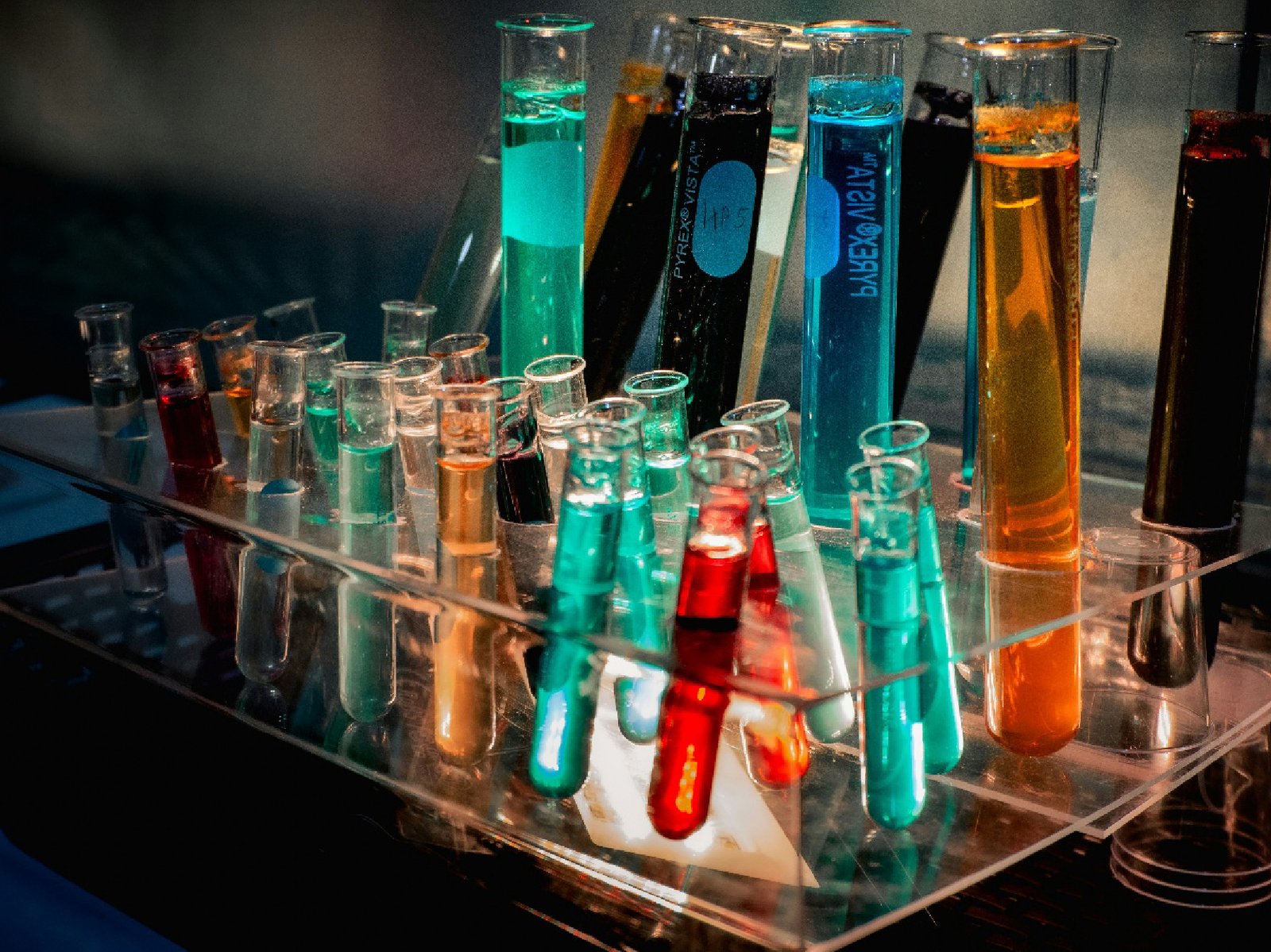
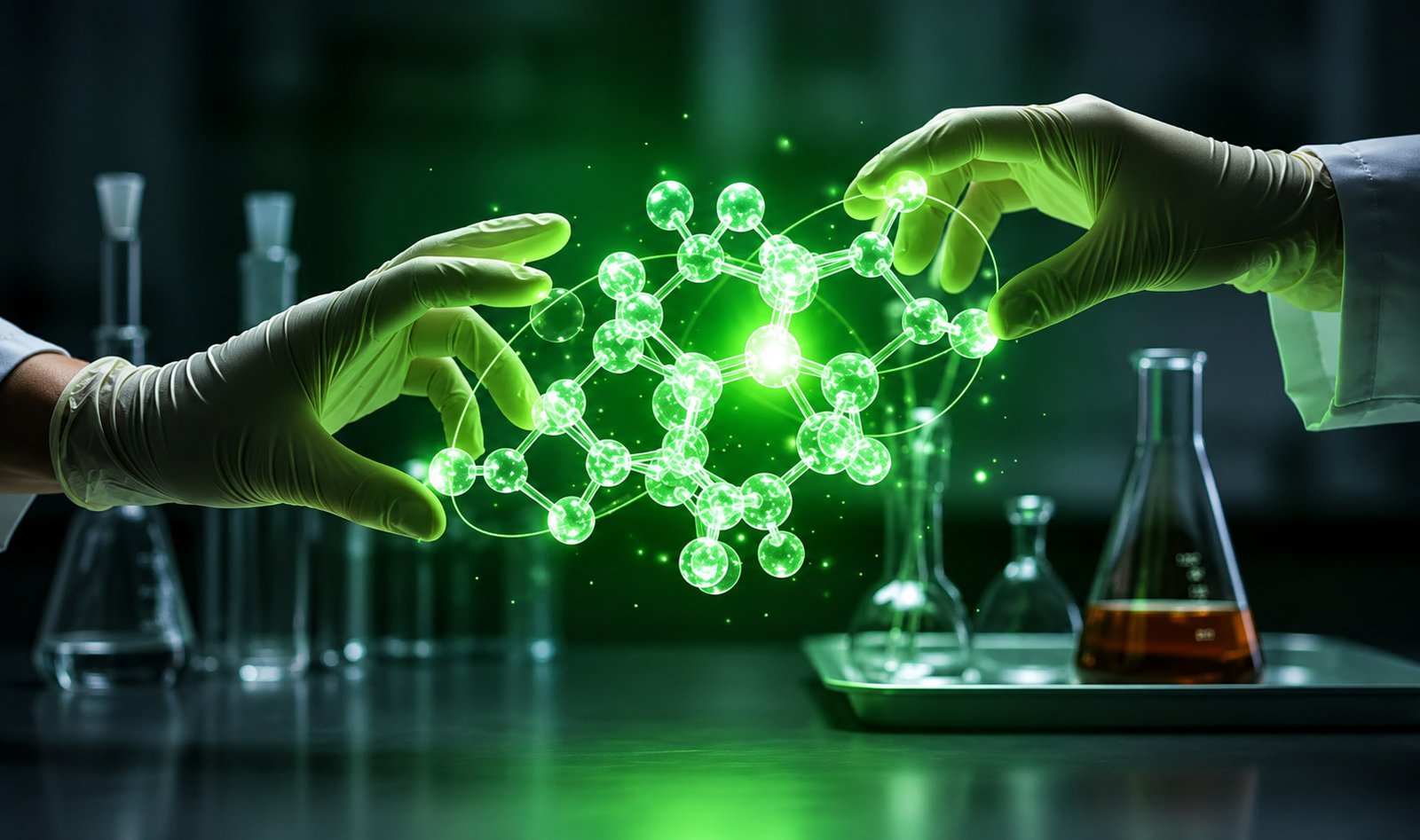
The Chemistry department at Cambridge North Campus offers comprehensive laboratory sessions covering fundamental topics such as material properties, chemical reactions, and process chemistry. These practical sessions cultivate essential analytical and problem-solving skills for engineering applications. The curriculum is meticulously structured to provide a robust foundation in chemical principles, enabling students to apply this knowledge effectively in their engineering projects and research endeavours.

The chemistry modules are designed to intersect with engineering disciplines such as chemical engineering, materials science, environmental engineering, and nanotechnology. This interdisciplinary approach ensures that students understand the chemical underpinnings of engineering challenges and innovations.

Chemistry plays a critical role in addressing societal and environmental challenges by informing sustainable processes, pollution control, resource management, and innovations across agriculture, healthcare, and industry. Thus, it is essential to advance scientific knowledge, technological progress, and environmental stewardship.

Chemistry Relevance

Chemistry is a foundational discipline for all branches of engineering. It provides a thorough understanding of the composition, structure, and properties of materials. Engineering chemistry links fundamental chemical concepts to practical engineering applications. It helps engineers select suitable materials for specific industrial and technological needs. Chemical principles are central to corrosion prevention and material protection. They also drive the development of advanced materials such as polymers, composites, and nanomaterials. Engineering chemistry supports innovations in energy storage and conversion technologies, including batteries, fuel cells, and solar cells. It is fundamental to water treatment, environmental protection, and pollution control. Green chemistry promotes sustainable manufacturing by reducing waste and hazardous chemicals. Electrochemistry enables applications such as electroplating, corrosion control, and energy devices. The study of fuels and lubricants improves the efficiency and performance of machines and engines. Engineering chemistry also enhances product quality and optimises industrial processes. It fosters scientific thinking and problem-solving skills among engineers. The subject contributes to research and technological advancements across various industries. It plays a vital role in addressing global challenges related to energy, health, and the environment. Knowledge of chemistry helps engineers develop safe, efficient, and cost-effective technologies. It supports sustainable resource use and environmental conservation. Engineering chemistry is therefore an indispensable part of engineering education. It equips engineers with the scientific knowledge needed to solve real-world problems. Thus, engineering chemistry remains a key driver of innovation, industrial progress, and sustainable development.

"

Fundamental Science for Engineers to Understand the Chemical Reactions

Andrea Goldsmith

Dr. Chandrakala M

HOD

Dr. Chandrakala M is an Associate Professor and Head of the Department of Chemistry at Cambridge Institute of Technology, North Campus, Bangalore. She obtained a doctoral degree in “Studies on Synthesis of Adsorption Efficient Activated Charcoal from Plant-Based Wastes” from Bharathiar University, Coimbatore. Her teaching expertise spans Engineering Chemistry and Nanotechnology, with over a decade of experience in teaching and research. Her research areas include environmental chemistry, activated carbon, adsorption studies, and analytical chemistry.

With extensive experience in interdisciplinary teaching, academic leadership, curriculum development, and student mentoring, committed to advancing research-driven education and sustainable scientific practices to foster academic excellence.

Additionally, she has research experience as a Project Assistant at the Central Institute of Medicinal and Aromatic Plants (CIMAP), Bangalore. She is the author of 20+ research publications and has contributed to books and book chapters in reputed publications.

The Chemistry Careers

Medicinal Chemist/Pharmaceutical Scientist/Pharmacologist
Develops new medicines, vaccines, and therapies, ensuring safety and efficacy.
Cosmetic Chemist
Formulates skincare, haircare, and beauty products, specializing in organic chemistry.
Analytical Chemist
Analyzes substances to determine their composition, essential for quality control
in manufacturing and forensic investigations.
Quality Control/QA Chemist
Ensures products meet regulatory standards in sectors like food and beverage,
pharmaceuticals, and manufacturing.
Chemical Engineer/Process Scientist
Designs and optimizes industrial processes for producing chemicals, plastics,
and energy materials.
Computational Chemist
Use computer modelling, simulations, and machine learning to predict molecular behaviour, properties, or interactions.
Environmental/Soil Scientist
Monitors pollutants, tests soil and water quality, and develops sustainable solutions for ecological problems.
Industry (Private Sector)
Pharmaceutical firms, petrochemical companies, chemical manufacturers,
and consumer product companies.
Formulation Scientist
Mix ingredients into stable, effective products (paints, creams, detergents)
Government/Regulatory
Safety officers, forensic scientists, and environmental researchers

The Chemistry Research Experience

Medicinal Chemistry

Make libraries of drug-like molecules, test them against biological targets (enzymes/cells), and analyse structure-activity relationships (SAR) to improve potency.

Computational Chemistry

Use supercomputers or high-end workstations to model molecules, predict properties, or simulate reactions. Write scripts to analyze data.

Materials Chemistry / Polymers

Create and test new materials: plastics, hydrogels, conductive polymers, nanocomposites. Measure mechanical, optical, or electronic properties.

Electrochemistry (Batteries & Energy)

Build and test batteries, fuel cells, or electrolyzers. Work in dry rooms or gloveboxes. Perform charge/discharge cycling and analyze failure modes.

Chemical Biology

Use chemistry to solve biological problems. Design fluorescent probes, chemical inhibitors, or tools to manipulate proteins in living cells.

Green / Sustainable Chemistry

Redesign chemical processes to be safer and more sustainable: use renewable feedstocks, develop low-waste reactions (e.g., catalysis), design degradable

Forensic Chemistry

Analyze trace evidence (drugs, explosives, arson residues, paint, glass) for legal purposes. Emphasizes rigorous chain-of-custody and validated methods.

Nanochemistry

Synthesize and characterize particles 1-100 nm in size (quantum dots, gold nanoparticles, carbon nanotubes).